Screening Period
A 28-days Screening Period to make sure you are fit for the study.
LIVING WITH LIMITS OTHERS DON’T SEE
Narcolepsy can create a gap between what you do and what your body allows. This clinical study wants to evaluate if it can help close it.
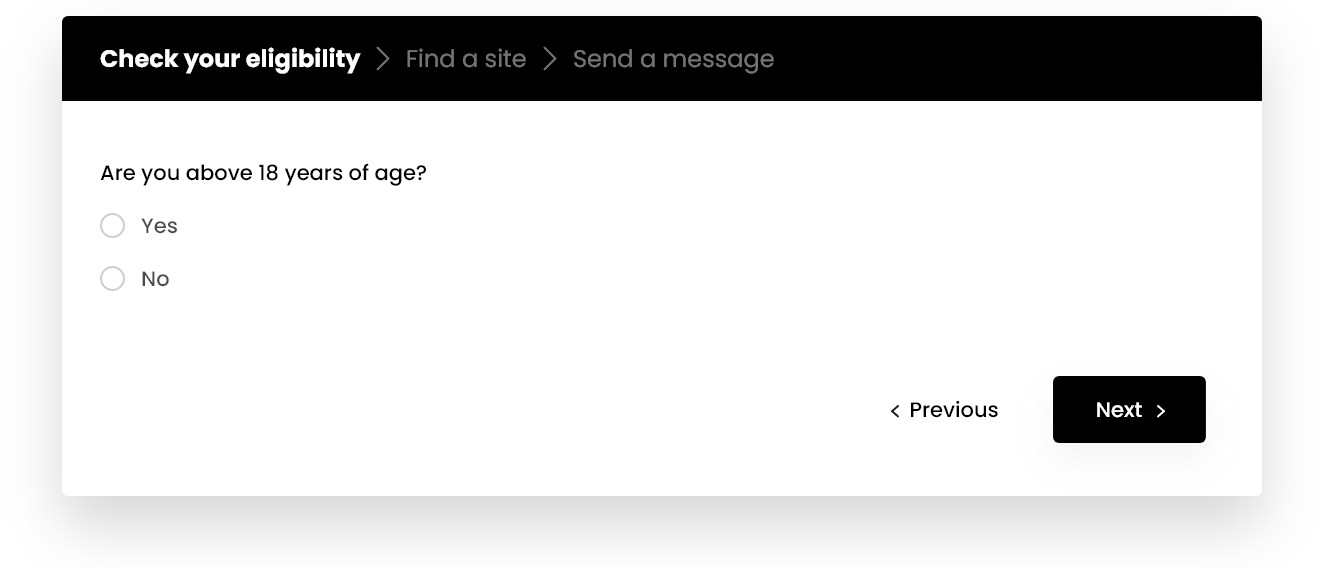
Take up this questionnaire to help us determine if you have symptoms that are common to this clinical study. If you have the common symptoms, you may be eligible to take part in the study.
If you are 18+ years old and have a narcolepsy diagnosis, you may be eligible to participate. Potential benefits for participating include:

GET THE FACTS

Narcolepsy is a long-term neurological condition that affects the brain’s ability to regulate sleep and wakefulness.
This sleepiness can make it difficult to stay awake during everyday activities such as working, studying, driving, or having conversations.
People with narcolepsy may feel very sleepy during the day, even after getting enough sleep at night.
Participation in this study lasts about 4 months. Participants will be divided into 2 groups and will have a 50% chance of getting the study drug. Participants can withdraw from the study at any time and for any reason.

ALL ABOUT THE STUDY
This is a Phase 2 study to assess the efficacy and safety of E2086 in people with narcolepsy.
You will be randomly assigned to one of two groups where you may receive:
STUDY DRUG
PLACEBO
A 28-days Screening Period to make sure you are fit for the study.

A 91-day Treatment Period where you will be randomly assigned to receive either the study drug or matching placebo.
A 14-day Follow-up Period where we will assess the safety of the study treatment.
It takes

What is a clinical trial?
Researchers conduct clinical studies, also known as clinical trials, to learn if an investigational medication is safe and effective for people who have certain health conditions. Clinical studies follow strict scientific standards and regulations to ensure they produce the best data for health care decision making and protect the participants.
What is a Phase 2 study?
When new drugs are being studied as possible treatments for patients with a disease, they are tested in stages, or “phases.” If a drug is successful during Phase 1, it moves to Phase 2. If it is successful in Phase 2, it moves to Phase 3.
A Phase 2 trial tests the same drug from phase one, but on a larger group of people. This allows for more data on a larger scale to see if the drug works and is safe. It helps find the best dose and checks for any side effects.
What is the purpose of the study?
The main goal of the study is to learn how E2086 works in people with narcolepsy.
Is the study drug safe?
While studies so far showed E2086 was generally well tolerated, this study will further evaluate the safety of the study drug.
How is it taken?
E2086 is taken by mouth as a tablet, usually once a day.
How does it work?
E2086 is an investigational medicine that aims to activate receptors in the brain, which plays a key role in staying awake and controlling sudden muscle weakness (cataplexy).
Can I quit the trial at any time?
Yes, you have the right to drop out of the trial at any time for any reason, or no reason at all.
What are the next steps?
To join this study, you must read and sign an informed consent document to show that you understand the study and what is required. A study team member will explain the study’s procedures, possible benefits and risks, and answer any questions you may have prior to you signing the form.
Narcolepsy is not caused by poor sleep habits. It is a neurological condition linked to low levels of a brain chemical called orexin, which helps the brain stay awake.


© 2026 All rights reserved.
About Us
HealthUnlocked helps millions connect, learn, and access clinical trial opportunities while building a stronger future for patient care.